What Is a Smart Home? Explanation and Implementation
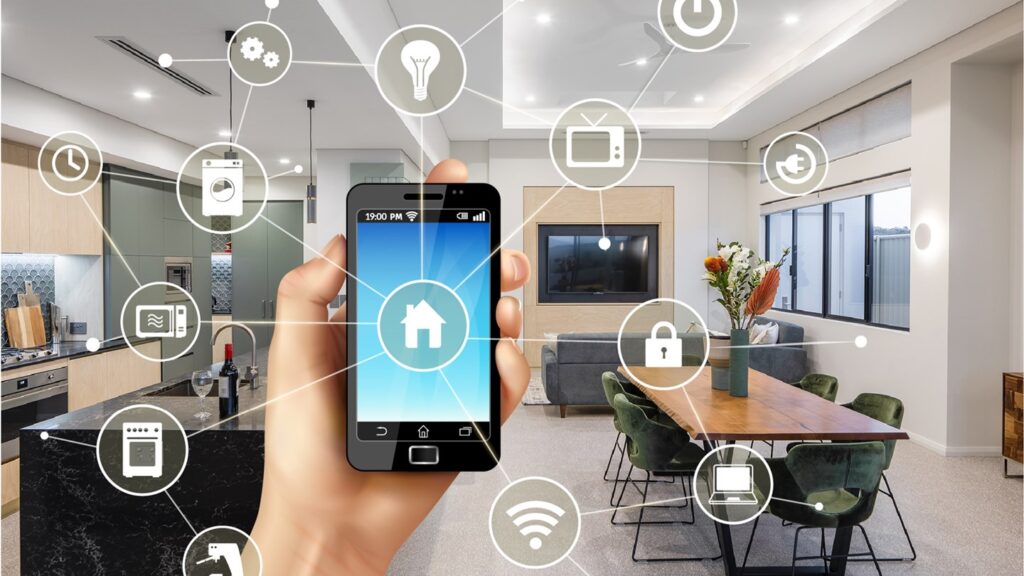
Illustration of a Smart Home Utilizing IoT
Since the widespread use of IoT (Internet of Things) in everyday life, we’ve increasingly encountered the use of the smart label for various devices. From smartphones and smartwatches to smart homes, which we’ll discuss here, smart homes also utilize gadgets to maximize their potential. With the ease of Wi-Fi installation and internet access, conventional homes are slowly being transformed into futuristic smart homes. So, how can you implement a smart home in your own home? Here’s the explanation!
Understanding Smart Homes
A smart home is a residential concept that utilizes IoT (Internet of Things) by combining several smart devices connected to the internet to simplify the activities of its occupants. Besides convenience, some people implement smart homes in their homes to save electricity by setting devices to only work when the homeowner needs them. Otherwise, the devices will turn off automatically or be set to turn off at a time. Other benefits include the following:
Occupant convenience: Connected devices will only work when they are truly needed.
Security: Some security-related devices can also be monitored remotely using the internet.
Effectiveness: Some devices even have AI to work more effectively.
Electricity and Cost: You can avoid wasting electricity and/or remotely turn devices on/off if you forget. This makes electricity use more efficient and saves on your electricity bill.
How to Implement a Smart Home
Menerapkan smart home pada hunian Anda bukanlah hal yang sulit. Namum perlu perencaan yang matang agar tidak menjadi hal yang konsumtif dan berakhir sia-sia di kemudian hari.
Adequate Internet Connection. Internet quality must be considered because some smart home devices require a good internet signal to work properly and precisely. Adjust the signal range to the size of the residence or the location of the device being used. For example, CCTV cameras, which are not located inside the house, require an internet connection to monitor the house from a distance. If necessary, install routers in areas with poor internet signal coverage.
Adjusting the Spatial Layout. Place items in the right places, taking into account lighting, security, and the location of the required power source. Consider the wattage required for the appliance installation or the number of CCTV cameras required for proper operation.
Equipment Procurement. Once you’ve listed the items you absolutely need, you can purchase them gradually without rushing. Start with items connected to electrical and security systems, such as smart lights, CCTV cameras, smart locks, and others. Then, move on to other devices that impact the comfort of your home.
Equip with Special Applications. Some devices have their own applications for optimal performance. You can consult the user manual, which usually includes drivers, application download links, and activation codes for your device. You can install it on a smartphone or tablet that is frequently used by family members.
That concludes our discussion of smart homes, along with a guide you can try at home to create various conveniences. If you’re looking for a minimalist home that’s easy to implement as a smart home, YUKARI Sawangan is here to meet your needs. You can contact us at 0823-1133-4579 (WhatsApp), visit us via Instagram DM, or visit the official YUKARI Sawangan website here.
PT. Tact Home Indonesia
At vero eos et accusam et iusto odio
At vero eos et accusamus et iusto odio digniss iducimus blan ditiis