The Impact of Household Waste and How to Manage It
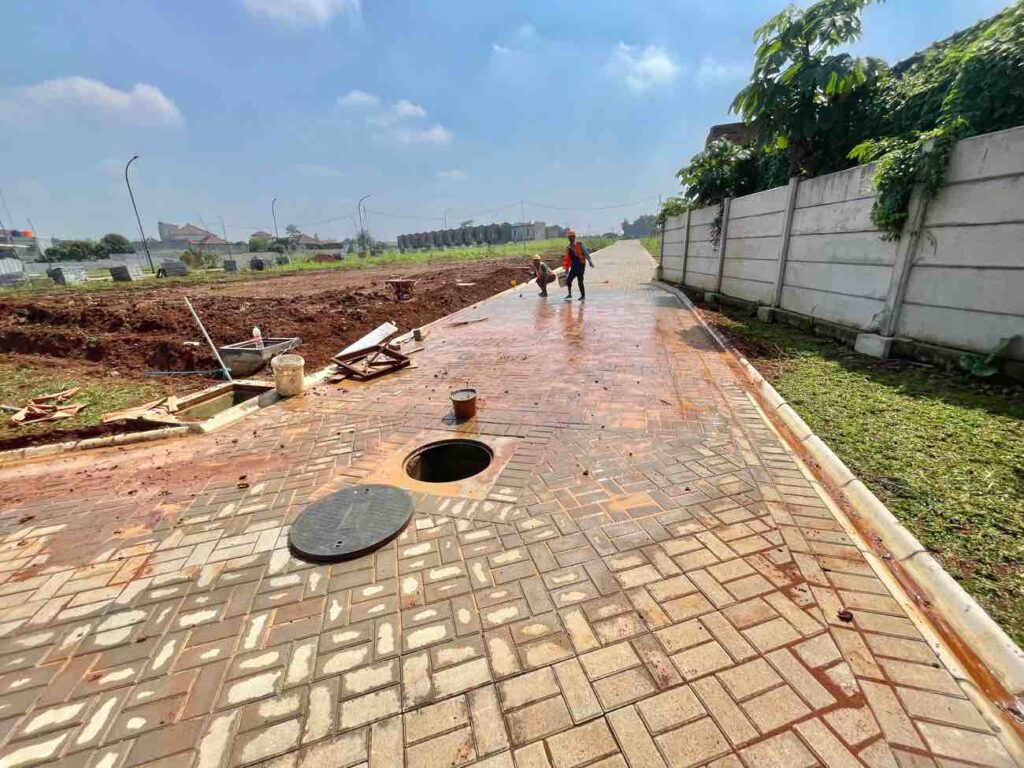
Illustration of Sewerage Maintenance at YUKARI Sawangan
Households produce waste every day, which becomes waste if not managed properly. Household waste can impact health, the environment, and even socially and economically. Liquid waste from the kitchen, bathroom, and laundry is the most abundant and difficult to manage.
Currently, many people still dispose of household waste, especially liquid waste, into the ground and rivers. This can certainly damage the environment by accumulating substances such as soap, detergent, feces, and food scraps. Household wastewater requires special management to prevent environmental pollution, starting with the construction of sewers, absorption tanks, or special waste treatment facilities.
Impact of Household Liquid Waste
Soil and Surface Water Pollution: If not properly treated, wastewater will become a source of pollution for both groundwater and surface water. Hazardous substances can contaminate water intended for consumption or reuse, potentially causing disease and other environmental impacts.
Eutrophication: Phosphorus and nitrogen content in wastewater can trigger abnormal algae growth, resulting in decreased oxygen levels. This low oxygen level can kill fish and other aquatic organisms.
Other Health Risks: Bacteria and viruses in untreated wastewater can cause various diseases, such as diarrhea, hepatitis, and skin infections.
How to Reduce the Impact of Household Waste
Education and Outreach: The most basic thing that can be done to reduce the impact of household waste is to educate the general public about the importance of domestic wastewater management and how they can implement it themselves in their own homes.
Infrastructure Development: Once the public is educated, building adequate wastewater treatment infrastructure also has a significant impact. This requires high costs and requires collaboration between the government and the private sector to ensure decentralized and affordable wastewater treatment infrastructure for all parties.
Regulation and Law Enforcement: The final step, after all the necessary facilities have been provided, is the implementation of regulations and laws related to domestic wastewater management to ensure public compliance.
Wastewater Treatment Techniques
Several wastewater treatment methods already exist in Indonesia. Several wastewater treatment techniques not only serve to reduce the impact of wastewater on the environment but also allow for reuse for other purposes.
Septic Tank: The most common wastewater treatment system, already used by many households in Indonesia. Septic tanks work by separating solids from water and decomposing organic matter through anaerobic biological processes.
Decentralized Wastewater Treatment Systems: This system is suitable for rural areas not yet covered by centralized wastewater pipelines. One example is a biofilter, which can treat wastewater at a lower cost.
Wastewater Treatment Plants (WWTP): These are facilities specifically designed to treat wastewater on a larger scale. They use sophisticated processes to remove pollutants from the water before it is discharged into the environment.
Household Waste Management with IPAL at YUKARI Sawangan
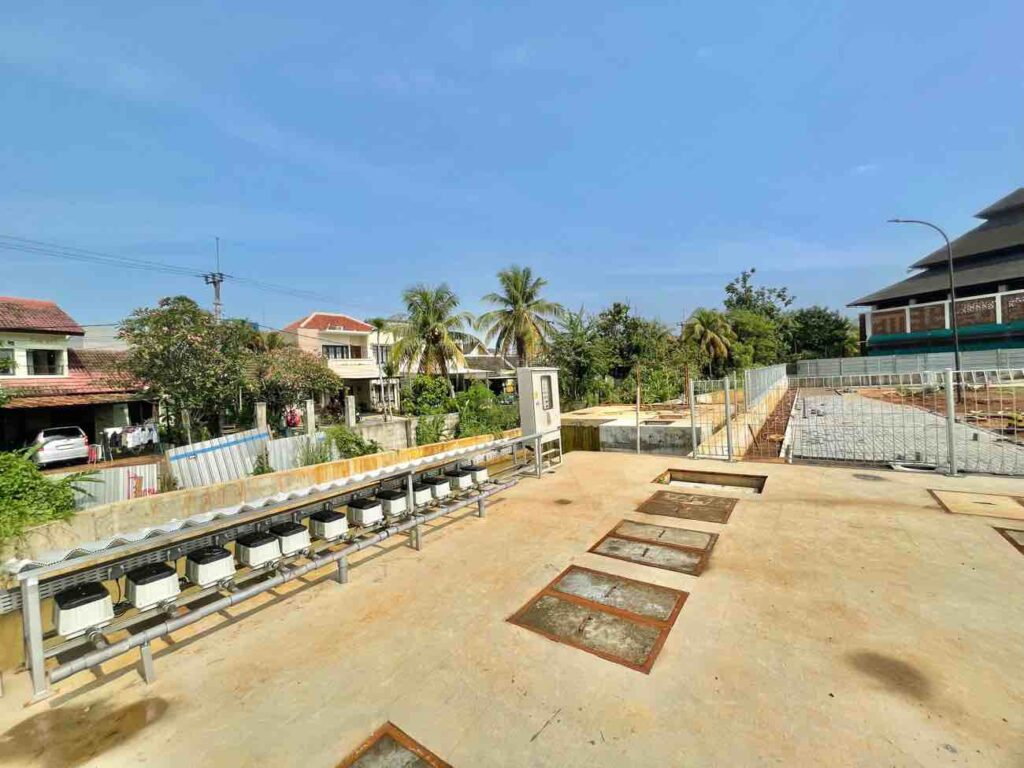
WWTP at YUKARI Sawangan
YUKARI Sawangan has a WWTP that treats household wastewater before it is discharged, resulting in much cleaner and more environmentally friendly water. With the wastewater treatment plant (WWTP) at the Yukari Sawangan housing complex, you can enjoy a clean, flood-free environment and maintain groundwater quality.
If you’re looking for a residence with integrated wastewater management, YUKARI Sawangan is the right choice for you. If you’re interested and would like more information, you can contact us at 0823-1133-4579 (WhatsApp), visit us via Instagram DM, or visit the official YUKARI Sawangan website here.
PT. Tact Home Indonesia
At vero eos et accusam et iusto odio
At vero eos et accusamus et iusto odio digniss iducimus blan ditiis